Author: Kris Cole
Part 5 of our six-part series on planning a successful year-end giving campaign.
GivingTuesday may be one of the biggest days on your fundraising calendar, but it’s far from the finish line.
Throughout the fall, you’ve established your goals, segmented your donor lists, tested your giving systems, and prepared your campaign messages. Now it’s time to put that preparation to work.
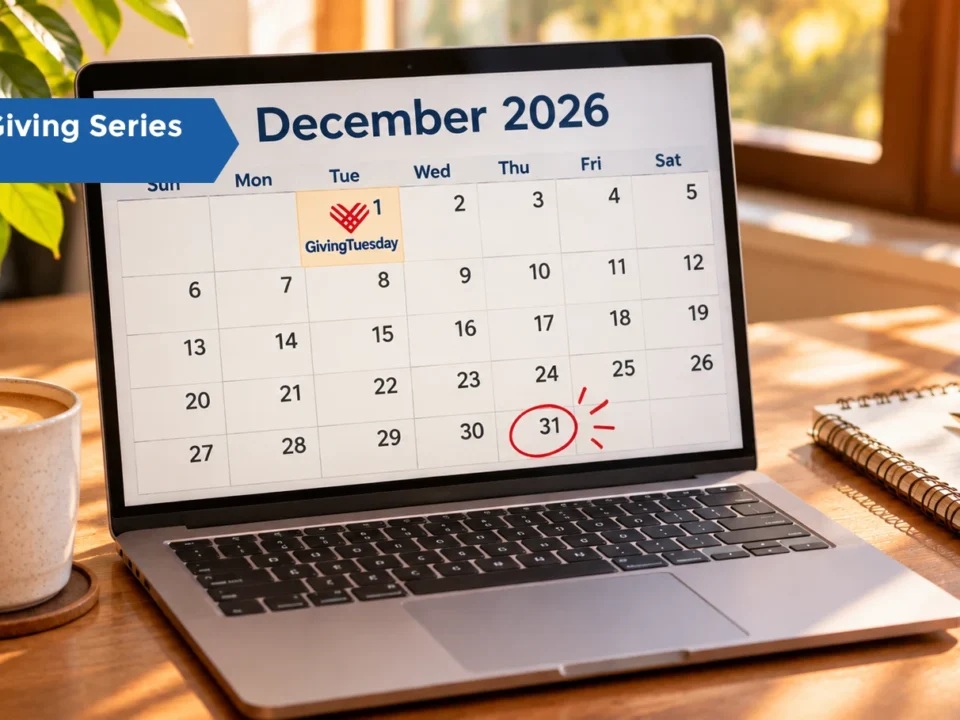
For many nonprofits, December represents the most important fundraising month of the year. Whether you’re preparing for GivingTuesday or celebrating its results, the weeks that follow offer valuable opportunities to connect with donors and build momentum toward December 31.
Here’s how to finish strong without overwhelming your staff or your donors.
Mid-December: Keep the Momentum Going
GivingTuesday can generate a welcome burst of energy and donor engagement. The challenge is keeping that momentum going through the weeks that follow.
Plan now for how you’ll reconnect with supporters in mid-December. Your messages should demonstrate progress, share meaningful results, and give donors a compelling reason to remain engaged.
A few ways to keep your campaign moving:
- Show your progress. Use a fundraising thermometer, progress bar, or simple update to show how close you are to your goal. Keep the numbers current, and celebrate meaningful milestones along the way.
- Share a fresh impact story. Introduce a new example of how donor support makes a difference. A compelling story can be more persuasive than another reminder of your fundraising goal.
- Make the deadline meaningful. Rather than simply counting down the days until December 31., explain what reaching your goal will make possible for the people or communities you serve.
- Remind donors about matching opportunities. If you have an active matching gift or challenge grant, reinforce the opportunity to increase the impact of their gifts before the deadline.
Keep your messaging focused and genuine. Donors don’t need another appeal that simply says you’re running out of time. They need to understand why their support matters now.
December 29-3: Make the Final Days Count
The last three days of the year deserve special attention in your fundraising plan.
According to year-end giving research from Qgiv, approximately 12% of annual giving occurs during December’s final three days, with December 31 accounting for about 5% of annual revenue. While results vary by organization, the takeaway is clear: the final days of the year offer an important fundraising opportunity.
Rather than relying on your earlier campaign messages, prepare a focused communications plan for December 29–31.
Consider these priorities:
- December 29: Reinforce the opportunity. Remind donors of your goal, share your progress, and explain what their year-end gift can accomplish.
- December 30: Build on your momentum. Share an encouraging update, highlight a remaining need, or remind supporters of a matching gift opportunity. Don’t assume everyone will wait until December 31 to give.
- December 31: Make a clear, direct appeal. Send a final reminder early in the day, with an additional message later if appropriate for your audience. Keep the message brief, personal, and focused on the impact of giving before the year ends.
You can also reinforce these messages through social media, particularly with campaign updates, donor appreciation, and reminders of how to give.
Remember that more communication isn’t always better. Coordinate your email and social media messages so supporters receive timely reminders without feeling overwhelmed.
Make Giving Easy
Your final appeals will be most effective when donors can act immediately.
Before the last week of December, double-check that your donation page works properly on mobile devices, your payment processing is functioning, and your confirmation emails are accurate.
Make sure someone on your team is available to respond to donor questions or address technical issues during the final days.
For donors considering gifts of appreciated stock, distributions from donor-advised funds, or other non-cash contributions, encourage them to begin the process well before December 31. These gifts may require additional processing time, and year-end tax treatment depends on when the gift is legally completed.
A little advance planning can prevent a frustrating experience for both donors and staff.
Don’t Let Urgency Overshadow Gratitude
As the deadline approaches, it’s easy to focus entirely on the dollars still needed to reach your goal. But remember that every gift represents someone choosing to support your mission.
Celebrate the progress you’ve made. Thank supporters along the way. And whether you reach your goal or fall a little short, recognize the generosity that made your campaign possible.
Your final messages should convey both urgency and appreciation. Donors want to know their gifts matter, not simply that your organization needs more money.
The Campaign Doesn’t End at Midnight
When December 31 arrives, your fundraising campaign may officially conclude, but your relationship with donors continues.
Make sure your systems and staff are ready to acknowledge gifts promptly, provide accurate receipts, and follow up with personal expressions of gratitude where appropriate.
You may also want to prepare a year-end giving summary for major and recurring donors. A consolidated statement of their annual contributions can be a helpful resource as they prepare their tax records and an additional opportunity to thank them for their continued support.
Most importantly, resist the temptation to move immediately from your year-end campaign into your next fundraising appeal.
Your donors have just demonstrated their commitment to your mission. Take the time to recognize it.
Next in This Series: Turning Year-End Gifts Into Lasting Relationships
In the final installment of our six-part series, we’ll look at what happens after the campaign ends; thoughtful stewardship, meaningful donor communications, and practical steps to turn year-end generosity into long-term support. Because a successful year-end campaign isn’t just about how much you raise by December 31. It’s also about the relationships you build for the year ahead.
Keep Your Year-End Campaign on Track
The final weeks of the year can move quickly. Our free Year-End Giving Marketing Calendar template can help you organize your messages, channels, responsibilities, and deadlines so nothing gets overlooked. Download the free customizable template in Microsoft Excel or Microsoft Word format and and make these final weeks count.